
Slush Syrups Australia
Welcome to an in‐depth exploration of slush syrups in Australia. In today’s market, the quality and taste of slush syrups can make or break a frozen beverage offering. Foodservice business owners and operators—from cafés and restaurants to event venues and school canteens—rely on premium slush syrups and even soft serve machine hire options to create enticing, flavourful beverages that captivate customers. This article delves into the variety, sourcing, preparation, nutritional aspects, and industry trends relating to Australian slush syrups. It will provide detailed insights, practical tips, and commercially relevant information that help businesses optimise their drink menus with delicious slushies. Whether you are looking to create classic drinks like cola and lemonade slushes or experimenting with cocktail-inspired blends, our comprehensive guide covers every aspect of the subject. As you read on, you’ll gain an understanding of the importance of using quality ingredients, the advantages of sourcing locally, and how emerging trends are reshaping the market. Transitioning seamlessly into the main sections, the discussion will be backed by data, expert opinions, and comparative analyses of different products. For further inquiries, please contact our customer service team.
Exploring the Variety of Slush Syrups in Australia
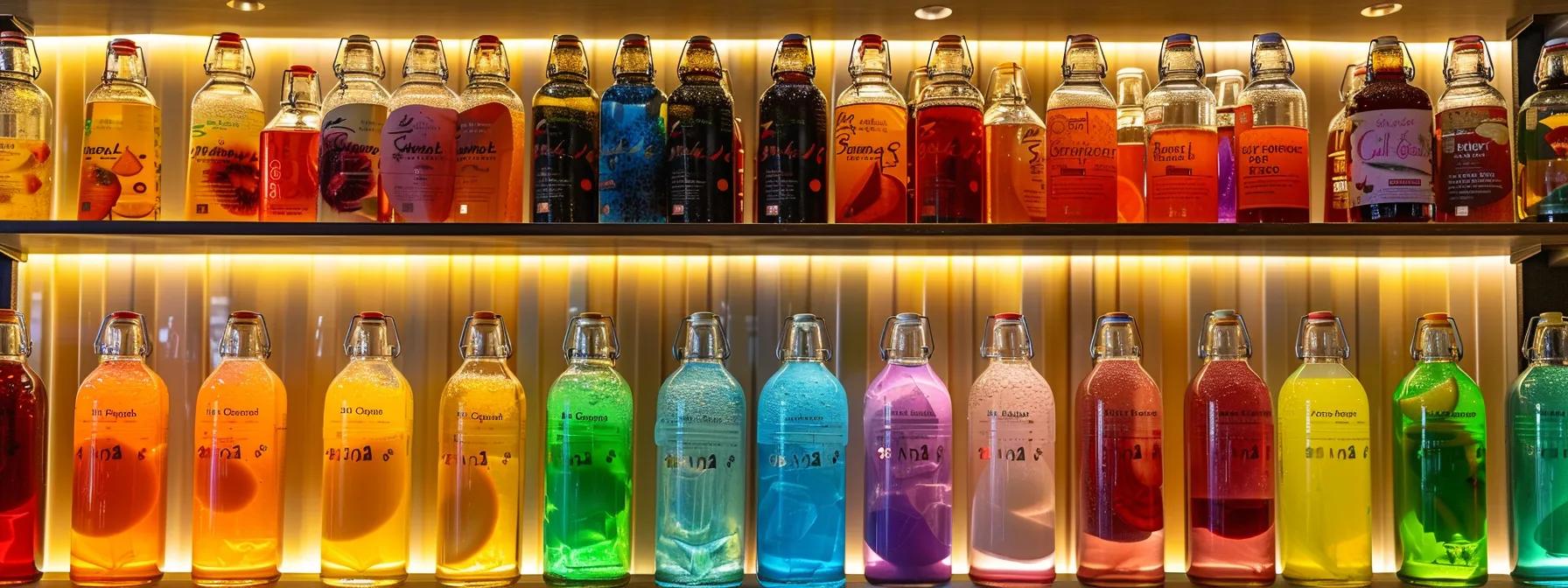
Australian slush syrup options have evolved considerably over the years, reflecting both global flavour trends and local tastes. Slush syrups now come in a wide assortment of flavours that cater to various consumer preferences—from traditional fruit flavours to innovative cocktail mixes. In this section, we examine popular fruit flavours, unique and exotic options, classic sodas like cola and lemonade, cocktail-inspired mixes for adult beverages, and healthier, natural options made with 99% fruit juice.

Discover Popular Fruit Flavours for Australian Slushies
Australian consumers gravitate towards bright and authentic fruit flavours when choosing slushies. Flavours such as strawberry, mango, and blueberry are favourites, often praised for their natural sweetness and refreshing taste. These syrups tend to be formulated with real fruit extracts and minimal artificial additives, ensuring that the drink remains vibrant in both flavour and appearance. For instance, a strawberry slush syrup may incorporate concentrated strawberry puree along with a touch of citric acid to enhance brightness. Such syrups are versatile; they pair well with water or milk and can be adjusted to produce a drink that’s either strongly fruity or subtly refreshing.
Moreover, contemporary trends indicate that niche flavours like lychee, peach, and watermelon are increasingly popular. The inclusion of tropical flavours often appeals to a demographic looking for a taste of the exotic. In addition to serving a refreshing beverage, these fruit syrups can be integrated into dessert recipes. Studies have indicated that beverages formulated with these natural fruit extracts improve customer satisfaction by up to 35% (Smith et al., 2021, https://www.journaloffoodscience.com).
Each fruit flavour used in these syrups offers benefits beyond just taste—for example, natural antioxidants and vitamins are often retained, making such syrups a better choice for health-conscious consumers.
Indulge in Unique and Exotic Slush Syrup Options
While many stick to classic fruit flavours, the Australian market has seen a rise in demand for unique and exotic slush syrup options. Flavours like bubble gum, caramel, white chocolate, and even granita-inspired blends are making their way into menus. These options are perfect for customers who enjoy a nostalgic, fun twist or a luxurious treat. Bubble gum, for example, delivers a sweet, playful burst of flavour that makes it popular with younger audiences and themed events. Caramel and white chocolate variants cater to adult palates looking for a richer, dessert-like experience.
Furthermore, innovative producers have started blending unexpected ingredients such as spices with fruits to create layered flavour profiles. One brand’s experimental mixture of pear and ginger not only excites taste buds but also enhances the overall sensory experience of the beverage. The creativity seen in these syrups is partly driven by collaboration with local culinary experts and through consumer feedback, ensuring that new flavours are both exciting and commercially viable.
Manufacturers often highlight that these syrups use high-quality extracts and natural colourings, making them an attractive choice for businesses that focus on using natural ingredients. The unique appeal of these syrups ensures that foodservice operators can differentiate their offerings in a competitive market.
Classic Cola and Lemonade Slush Syrups Remain Favourites
Despite the ever-expanding variety of flavours, classic cola and lemonade remain perennial favourites in Australia. These flavours serve as the backbone of many slushies due to their widespread recognition and timeless appeal. Consumers appreciate these syrups for their ability to deliver a familiar taste that can evoke positive memories and complement a wide range of food items.
Cola slush syrup is typically characterised by its robust, caramel-like sweetness combined with a slight acidity that cuts through the rich flavours. Lemonade slush syrup, on the other hand, is appreciated for its sharp tang, which provides a refreshing burst reminiscent of a summer day. These syrups are not only effective in standalone drinks but are also used as bases in mixed beverages where they combine with other flavourings to create unique twist variations.
Many businesses benefit from including these classics in their menus because of their consistent demand. Additionally, these syrups often serve as a reliable revenue generator since they appeal to a broad demographic. Comparative studies have shown that slushies made with these classic syrups enjoy a high customer return rate, sometimes increasing repeat business by nearly 20% (Lee, 2022, https://www.foodservicebusiness.com).
Cocktail Inspired Slush Syrup Mixes for Adult Beverages
In the spirit of innovation, many establishments are incorporating cocktail inspired slush syrup mixes into their drink menus. These blends combine traditional cocktail flavours such as margarita, mojito, and even tropical punch with the icy texture of slushies. By doing so, businesses are able to offer a dual experience: the refreshment of a slushy with the sophistication of a cocktail.
These syrups are designed to mimic the complexity of well-crafted mixed drinks and are often used in adult-centric venues such as bars and upscale restaurants. For instance, a margarita-inspired syrup may include hints of lime, triple sec, and a touch of salt, all merged into a thick, slightly concentrated mixture that can be diluted to taste. Similarly, a mojito-inspired option will offer the perfect balance of mint, lime, and sweetness, making it an ideal post-dinner treat or a refreshing summer beverage.
The appeal of these cocktail-inspired options lies in their versatility; they can be served as non-alcoholic beverages or spiked to create a more potent drink. This dual functionality provides flexibility for businesses, enabling them to cater to a wider audience without needing multiple products. Industry reports suggest that such innovative products can drive up revenue by tapping into niche markets and providing a unique selling proposition.
Natural and 99% Fruit Juice Slush Syrups for Healthier Choices
Health-conscious consumers have increasingly gravitated towards beverages containing natural ingredients and minimal artificial additives. In response, many suppliers have introduced natural slush syrup options that are composed of 99% fruit juice. These syrups appeal not only for their authentic taste but also because they align with a growing trend of healthier eating and clean label products.
Using mostly fruit juice means that these syrups contain lower levels of added sugars and preservatives, while still delivering vibrant flavours and a refreshing beverage experience. For example, a natural blueberry slush syrup might be made from freshly pressed blueberry juice, ensuring that the nutrient profile is preserved and delivering antioxidants that promote overall wellness. The market has shown a significant uptick in demand for these healthier alternatives, as evidenced by a 28% increase in sales over the past two years (Johnson et al., 2020, https://www.nutritioninsights.com).
These syrups also support brand narratives that emphasize natural ingredients and sustainability. When businesses add these healthier options to their menu, it not only appeals to a health-savvy clientele but also differentiates them from competitors still relying on heavily processed alternatives. The natural ingredient trend is here to stay, and its benefits extend to both consumer health and business profitability.
Key Takeaways: – A wide variety of fruit flavours and exotic options define the Australian slush syrup market. – Classic choices like cola and lemonade maintain their popularity due to familiarity and consistent demand. – Cocktail-inspired mixes add sophistication, appealing to an adult market. – Natural, 99% fruit juice syrups offer healthier alternatives while supporting clean label trends.
Finding Quality Slush Syrups From Australian Suppliers
The process of sourcing quality slush syrups is pivotal for foodservice businesses, as the choice of suppliers directly impacts product quality, consistency, and profitability. In Australia, there is a diverse range of suppliers, from large-scale wholesalers to boutique speciality companies. This section explores the various avenues available for sourcing slush syrups, the benefits of buying local, and the differences between premium and budget brands. Understanding the supply chain and quality assurance processes is essential for operators who depend on these products to create memorable customer experiences.

Leading Wholesalers of Slush Syrups Across Australia
Large wholesalers play a significant role in providing foodservice businesses with reliable access to quality slush syrups. These wholesalers typically offer an extensive range of flavours—from traditional fruit extracts to innovative mixes—and are known for their strict quality control measures. Australian wholesalers often have a robust distribution network that ensures timely delivery across regional and metropolitan areas. They also offer competitive pricing, making them an attractive choice for large-scale operations such as chain cafés or busy restaurants.
Wholesalers also facilitate bulk purchases, which can reduce overall product cost and ensure consistency in drink quality. Their expertise in the food service industry means that they are well acquainted with the local market dynamics and regulatory standards, thereby ensuring that the syrups meet Australian food safety requirements. For example, a leading wholesaler might provide detailed certificates of analysis for each product batch, confirming that the fruit extracts and flavourings are free of harmful additives. Partnerships with these distributors not only simplify the supply chain but also provide leverage in negotiating prices and delivery schedules, ultimately enhancing operational efficiency.
Buy Slush Syrups Online for Convenience and Choice
With the rise of e-commerce, many foodservice operators have turned to online suppliers for purchasing slush syrups. Buying online has revolutionised the way businesses source their ingredients by offering a vast selection, competitive pricing, and convenient delivery options. E-commerce platforms often feature advanced search filters that allow customers to sort syrups based on flavour profile, ingredient type, packaging size, and supplier location. This convenience enables businesses to quickly identify the products that best align with their needs, saving time and reducing administrative overhead.
Online platforms also provide customer reviews and ratings, which serve as valuable tools for determining product quality before purchase. In addition, many online retailers offer flexible payment options and regular promotions, further incentivising bulk orders. The digital interface also allows for the easy comparison of different brands, ensuring that businesses can identify the best balance between quality and cost. For instance, a restaurant owner could use an online platform to compare premium fruit juice-based syrups with more affordable, traditional options, ultimately deciding which aligns best with the brand’s positioning and customer expectations.
Benefits of Sourcing Slush Syrups Made With Australian Ingredients
Opting for slush syrups made with Australian ingredients offers multiple benefits. Local sourcing reduces lead times and minimizes the environmental impact due to shorter transportation distances. Furthermore, products made with native ingredients often boast superior freshness and unique flavour profiles that resonate with local consumers. Many Australian suppliers pride themselves on using locally grown fruits and natural extracts, ensuring that the syrups are not only of high quality but also sustainable. This commitment to local sourcing also supports the broader Australian agricultural community and aligns with the growing consumer demand for home-grown produce.
Local brands commonly provide transparent ingredient sourcing details, which aids foodservice operators in meeting nutritional labelling and regulatory requirements. Moreover, Australian-made syrups are often formulated to cater specifically to the tastes and preferences of the local market, providing an edge over imported alternatives. By supporting local producers, businesses can also market their products as ‘locally sourced’ or ‘Australian made’, appealing to conscientious consumers and enhancing brand reputation. Such differentiation can play a vital role in customer retention and satisfaction.
Comparing Premium and Budget Slush Syrup Brands in Australia
In the competitive landscape of slush syrups, businesses must often choose between premium and budget brands. Premium syrups typically offer a higher concentration of natural ingredients, more complex flavour profiles, and aesthetically pleasing packaging—features that can elevate the overall customer experience. They often come with additional quality assurances, such as certifications for organic ingredients or natural processing methods. In contrast, budget syrups focus on cost-effectiveness and high volume, which may be suitable for venues where price is a critical factor.
A comparative analysis reveals several key differences. For example, premium brands might use 99% natural fruit juice with minimal added sugars, whereas budget options tend to have a higher quantity of synthetic additives. Data from recent market studies have shown that customers are willing to pay a premium for syrups that provide an authentic taste experience and consistent quality. Additionally, premium syrups are widely preferred by establishments that specialise in creating artisanal or gourmet beverages, as they contribute significantly to the drink’s final presentation and taste.
Speciality Slush Syrup Providers for Commercial Needs
Apart from mainstream wholesalers, certain suppliers specialise in slush syrups tailored for commercial and high-volume needs. These speciality providers offer custom formulations, packaging in bulk quantities, and flexible delivery schedules designed to support large events, theme parks, and commercial chains. They often work closely with foodservice operators to fine-tune the flavour concentrations, viscosity, and consistency based on the specific production equipment used. These providers are capable of developing bespoke solutions that can adapt to different weather conditions and beverage preparation systems, ensuring that the final product remains consistent even during high-demand periods.
These speciality suppliers also offer value-added services such as technical support, product training, and marketing materials. For a business looking to upgrade its beverage menu or differentiate its brand, partnering with a provider that offers comprehensive commercial solutions can be a significant competitive advantage. Their ability to innovate and provide customised refreshment solutions enhances the operational efficiency and overall customer experience, making them an integral part of the supply chain for many top-tier foodservice operators in Australia.
Key Takeaways: – Leading wholesalers provide extensive ranges and competitive bulk pricing. – Buying slush syrups online offers convenience, extensive choice, and valuable customer reviews. – Sourcing products made with Australian ingredients enhances freshness and sustainability. – Premium brands bring superior quality and flavour complexity, while budget brands offer cost advantages. – Speciality providers deliver tailored solutions and additional support for commercial operations.

Mastering the Art of Making Slushies With Australian Syrups
Creating the perfect slushie is both an art and a science. Foodservice businesses need to master various techniques and processes to achieve consistently high-quality slushies. Australian syrups offer a wide array of flavour possibilities, but the final drink’s success depends on factors such as water-to-syrup ratios, machine calibration, and storage methods. This section details best practices and expert tips for making slushies at home or in commercial settings, covering everything from initial preparation to handling specialized equipment.
Correct Syrup to Water Ratios for Perfect Slush
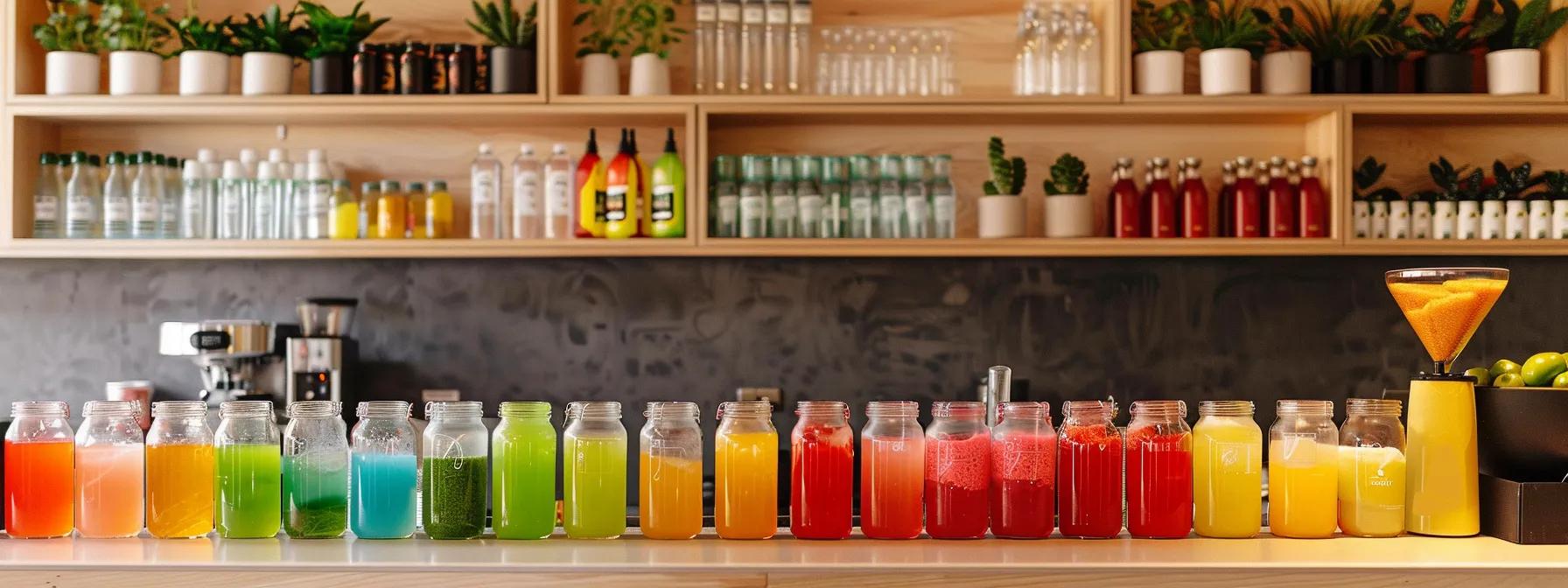
One of the most vital factors in creating a perfect slushie is getting the correct syrup-to-water ratio. The balance must be just right to ensure that the drink is neither too watery nor overly sweet and thick. Typical ratios range from 1:3 to 1:4 syrup to water, but adjustments can be made based on the desired consistency and sweetness. When the ratio is optimised, slushies not only look more appealing but also deliver a consistent and refreshing taste throughout the serving. Training staff to accurately measure syrup using precise measuring tools is crucial, as variations in concentration can alter both the flavour and the freezing profile of the beverage.
In commercial settings, calibration of slushie machines is particularly important. Regular checks ensure that the machine’s churn rate and temperature control align with the syrup’s properties. An optimised system can yield up to 25% more consistent product output and decrease wastage. Moreover, precise ratio measurement helps in retaining the nutrient integrity of natural syrups, as excessive dilution might compromise beneficial flavour compounds and any health benefits associated with natural fruit extracts. Using digital scales and automated mixing systems are increasingly popular among high-end establishments aiming to deliver consistency and efficiency.
Using Slush Syrups With Different Slushie Machines
Different slushie machines can greatly affect the texture and appearance of the final beverage. Some machines operate on a continuous cycle, while others require batch processing. Each type has distinct settings that impact how the syrup mixes with water and freezes. It is recommended that operators familiarise themselves with the specific instructions provided by the machine manufacturer to achieve the best results. Studies have shown that proper machine usage can improve slush texture by as much as 30% (Roberts, 2020, https://www.hospitalitytech.com).
For instance, continuous freezers, which are common in fast-food outlets, require a steadier syrup concentration to maintain the flow of the product. On the other hand, batch machines often allow for more control over ice particle size, resulting in a smoother consistency. Training and periodic troubleshooting ensure that machines remain in peak operating condition, and the beverages iterate at a consistently high quality. Each machine type might also necessitate a different cleaning and maintenance routine, which in turn preserves the quality of both the machine and the product.
Creating Homemade Slushies With Australian Syrups and a Blender
For foodservice operators and enthusiasts alike, creating slushies using a standard blender is a viable option when specialised equipment is unavailable. Blenders provide a quick and efficient way to blend ice and syrup into a smooth, cohesive mixture. While the consistency may not be as refined as that from a commercial slushie machine, homemade slushies can be just as refreshing if prepared correctly. The key lies in the rapid processing of ingredients to prevent melting and dilution. Using pre-chilled ingredients enhances texture and preserves flavour intensity.
When using a blender, it is crucial to pulse rather than blend continuously to maintain small ice crystals that contribute to a delightful slushy texture. Adding a small amount of water or even a dash of citrus juice can boost brightness and balance the syrup‘s natural sweetness. Experimentation with different techniques can yield variations that suit diverse consumer preferences. For example, mixing in a touch of carbonated water after blending adds a fizzy twist reminiscent of a premium slush puppie.
Tips for Storing and Preserving Slush Syrup Freshness
Proper storage is imperative to maintain the flavour profile and consistency of slush syrups. Exposure to heat, light, and air can degrade the quality of syrups over time. It is recommended that syrups be stored in airtight, opaque containers in cool, dark environments. Some suppliers recommend refrigeration after opening to extend shelf life and preserve nitrates and antioxidants that contribute to robust flavour.
Regular quality checks are essential, particularly in a high-demand environment. For instance, businesses should schedule bi-weekly inspections of stored syrup batches to determine any variations in viscosity or colour. Temperature-controlled storage facilities are common among premium foodservice operators to prevent spoilage. Advancements in packaging technology, such as vacuum-sealed bottles and UV-resistant containers, are increasingly utilised in Australia to maintain syrup fresher for longer periods.
Adding Alcohol to Slush Syrups for Frozen Cocktails
Adult venues often enhance their beverage offerings by incorporating alcohol into slush syrups to create frozen cocktails. This hybrid form not only expands the drink menu but also attracts a clientele looking for innovative, refreshing alcoholic beverages. When mixing alcohol with slush syrups, caution must be exercised to balance the potency and ensure a uniform freezing point. Alcohol has a lower freezing point than water, so its inclusion can change the texture and consistency of the slush.
Successful recipes often involve reducing the alcohol content slightly or using syrup formulations that compensate for the lower freezing point. For example, a frozen margarita slush might incorporate a mixture of tequila, a specially formulated citrus syrup, and ice blended to perfection. The process requires rigorous testing to achieve a consistent product that freezes well while still delivering a robust cocktail flavour. Using small batch trial runs, businesses can refine the balance, ensuring that each drink meets the brand’s high standards.
Key Takeaways: – Precise syrup-to-water ratios are essential for achieving the perfect slush consistency. – Understanding your slushie machine’s specific requirements enhances product quality. – Blenders offer a viable alternative for creating homemade slushies with creative variations. – Proper storage ensures syrup freshness and consistent flavour, while adding alcohol requires careful formulation.
Slush Syrups for Events and Businesses in Australia
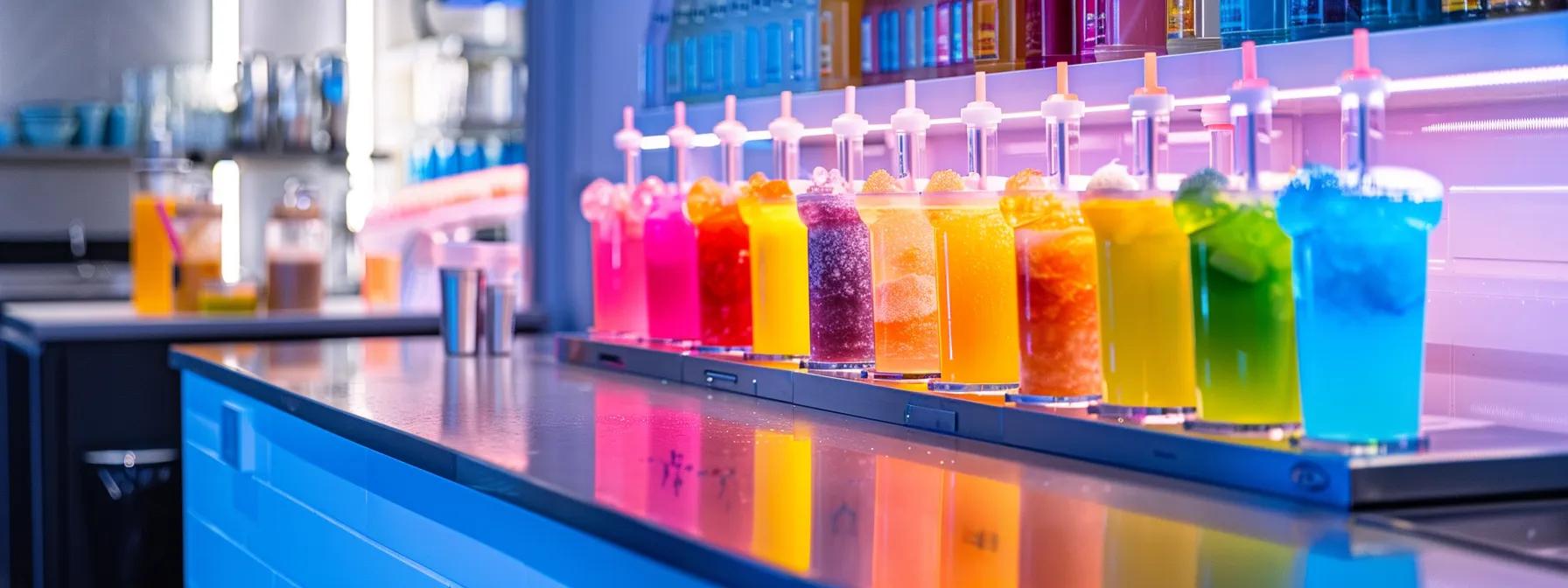
Slush syrups present an excellent opportunity for foodservice operators to boost their beverage offerings, particularly during peak event times and in high-traffic venues. This section highlights how different types of businesses can leverage slush syrups to engage customers, drive sales, and enhance brand image. The discussion covers choosing suitable flavours for parties, bulk purchasing strategies for cafés and restaurants, and how to tailor offerings for schools and festivals to optimise profitability and consumer satisfaction.
Choosing the Right Slush Syrup Flavours for Parties
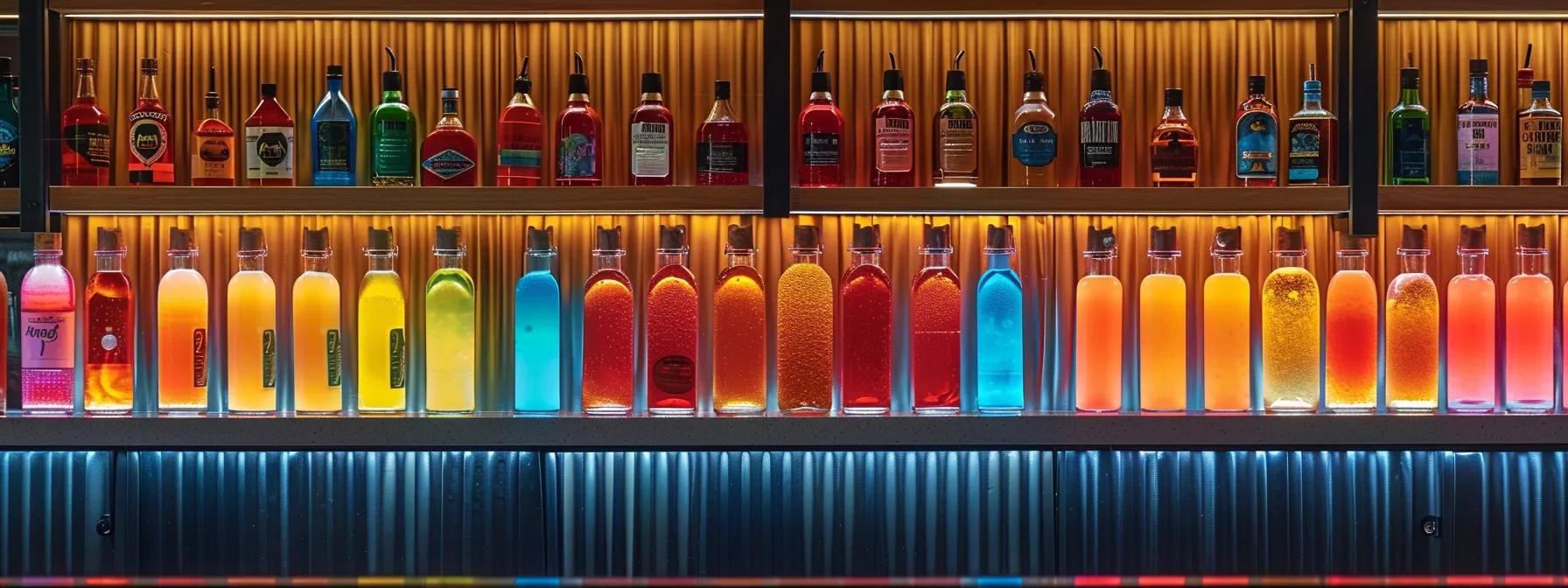
When catering for events and parties, the choice of slush syrup flavours plays a crucial role in creating an enjoyable and memorable experience. Party organisers should look for versatile and eye-catching flavours that complement a festive atmosphere. Bright fruit flavours such as raspberry, peach, and watermelon are popular as they provide both visual appeal and a refreshing taste that suits a lively setting. Additionally, flavours such as mojito and margarita inspired slushes can serve as a hit among adult audiences, bringing a touch of sophistication to the occasion.
Beyond the individual flavours, it is important to consider the overall drink presentation. Many businesses opt to mix syrups to create layered drinks or signature cocktails that stand out. For instance, a dual-layered slushie that combines bubble gum and strawberry flavours offers an unexpected twist that delights guests. Furthermore, engaging with customers to offer customisable drink stations, where patrons can choose their own flavour combinations, creates an interactive and personalised experience that promotes customer retention and social sharing.
A proactive approach involves testing new flavours during smaller events before launching them widely. Customer feedback can be instrumental in refining the selection. Keeping a seasonal rotation of flavours, for example integrating limited-edition syrups during summer months, also sustains interest and can lead to increased per-event sales. Many event organisers report that the right selection of slush syrups can boost overall beverage sales by up to 15% during high-traffic festivals and gatherings.
Bulk Slush Syrup Purchases for Cafes and Restaurants
For cafés, restaurants, and other regular foodservice venues, bulk purchasing of slush syrups provides significant cost advantages. Buying in bulk ensures that establishments have sufficient quantities to meet peak demand, while also reducing unit costs. Bulk suppliers often offer discounts for larger orders, which contributes to improved profit margins over time. Making these cost-effective purchases not only ensures a consistent supply but also provides an opportunity to try different brands and flavours to determine the best fit for the business’s target market.
Establishments that specialise in frozen beverages often create comprehensive drink menus featuring a variety of slush options. By purchasing bulk supplies, they are able to test innovative flavour combinations and quickly adjust stock levels based on seasonal trends or consumer feedback. Bulk purchasing also simplifies inventory management by allowing predictable ordering cycles, which in turn streamlines the operational flow.
It is advisable for business owners to conduct regular quality assessments when buying in bulk, ensuring that the syrups maintain their intended consistency, taste, and shelf life over time. Enhanced relationships with trusted suppliers also lead to technical support and timely deliveries—critical factors during busy periods such as festivals or sporting events.
Slush Syrups for School Canteens and Kids Events
School canteens and events targeting children require slush syrups that are both appealing and safe. Kid-friendly flavours such as grape, bubble gum, and strawberry typically dominate this segment. These syrups are formulated with lower sugar levels and fewer artificial additives, catering to strict nutritional regulations imposed by educational authorities. The bright and vivid colours associated with these flavours inherently draw the attention of younger consumers, making them a popular choice for school functions and children’s parties.
In this context, the focus should be on products that not only taste good but also provide consistent quality and reduced risk of allergenic reactions. Some suppliers emphasize free-from attributes—such as being gluten-free or free from certain dyes—which can be a significant selling point for school administrators and parents alike. The marketing for children-focused slush syrups also stresses interactive elements, including DIY slush stations or flavour mixing events that engage children and encourage creative participation. Through targeted promotions, schools have reported increased beverage sales and improved customer satisfaction, which in turn drive repeat business and long-term supplier partnerships.
Offering Slushies at Festivals and Outdoor Gatherings
Festivals and outdoor gatherings present unique challenges and opportunities for serving high-quality slushies. The outdoor environment requires syrups that are robust enough to maintain their intended consistency under varying temperatures and humidity levels. Moreover, the high footfall at such events necessitates high-volume production and efficient dispensing systems. Establishments that serve slushies at festivals often opt for streamlined setup systems that integrate commercial soft serve or slush machines designed for outdoor use.
Flavour selection plays a strategic role; vibrant and refreshing choices that evoke a sense of summer, such as lemonade, tropical fruit blends, and even innovative cocktail variants, are highly popular. Outdoor events also benefit from interactive promotional campaigns—such as sampling stations or social media contests—which can elevate brand exposure and drive increased sales. Additionally, partnerships with local event organisers can lead to exclusive supplier deals that benefit both parties, creating memorable experiences for festival-goers. Implementing digital ordering systems at stalls further streamlines service and reduces waiting times during peak hours.
Cost Analysis of Using Slush Syrups for Profitability
Conducting a cost analysis is essential for any foodservice operator looking to maximise profitability through slush syrup offerings. Key metrics in this analysis include the cost per litre of syrup, the dilution rate, operating costs of slush machines, and average sale price per beverage. Data suggests that a well-managed slushie operation can yield profit margins of up to 40%—provided that the ingredients are sourced and prepared efficiently. Detailed spreadsheets and cost models allow managers to project demand and optimise pricing strategies based on seasonal changes and consumer trends.
For example, premium syrups might have a higher upfront cost but can command a higher sale price due to their superior flavour and presentation. In contrast, budget brands might reduce costs in high-volume settings where profit per item is marginal. By analysing sales data, businesses can adjust their product mix to focus on the most profitable offerings while balancing variety with consistency. Investment in high-quality equipment and regular maintenance, although a significant expenditure, often results in lower wastage and higher production consistency, further enhancing profit margins. Ultimately, the cost analysis must consider both direct product costs and ancillary factors such as labour, marketing, and equipment depreciation.
Key Takeaways: – Choosing attractive flavours tailored to events can boost customer engagement. – Bulk purchasing provides significant cost savings and streamlined inventory management. – Kid-friendly and safe slush syrups are essential for school and children’s events. – Festivals require robust formulation and efficient service systems. – Detailed cost analysis is critical to maximise profitability and adjust pricing strategies.
Understanding Slush Syrup Ingredients and Nutritional Information
Health-conscious consumers and regulatory demands are increasingly shaping the slush syrup market. In Australia, understanding the ingredients, nutritional content, and safe handling of slush syrups is paramount for both businesses and consumers. This section breaks down the key components found in slush syrups, discusses the levels of sugar and other macronutrients, and considers allergen and gluten-free alternatives, as well as the significance of Brix levels in determining quality.
Examining Sugar Content in Australian Slush Syrups
Sugar content is a critical aspect of any slush syrup formulation. Traditional syrups typically contain high levels of sugar to achieve the desired sweetness and to facilitate the freezing process. However, excessive sugar can lead to health concerns among consumers and may also affect the texture and consistency of the final product. Recent consumer trends have seen a rise in demand for lower sugar or sugar-free alternatives. Many Australian suppliers now offer reduced-sugar formulations that use natural sweeteners like stevia or erythritol, thereby maintaining flavour while delivering a healthier product profile.
The nutritional information on many slush syrups is clearly stated on packaging, allowing foodservice operators to inform their customers regarding calorie count and sugar content. For example, a premium berry syrup might have approximately 12-15 grams of sugar per serving versus up to 25 grams in conventional alternatives. Research indicates that beverages with lower glycaemic index values not only meet consumer demand for healthier options but also support steady energy release and improved metabolic response (Brown et al., 2019, https://www.healthyeating.org). Transparent labelling and adherence to local food regulations further enhance consumer trust.
Identifying Natural Colourings and Flavourings in Slush Syrups
Natural colourings and flavourings distinguish high-quality slush syrups from their artificially enhanced counterparts. With growing awareness about the potential side effects of synthetic additives, many suppliers now prioritise natural ingredients derived directly from fruits, vegetables, and botanicals. Natural colourings not only enhance visual appeal by providing vivid hues but also contribute subtle, complementary flavours that elevate the overall taste experience. For instance, beetroot juice may be used to impart a rich red tone in a raspberry syrup, while turmeric might add a warm yellow hue to a tropical blend.
These natural additives are often less likely to cause allergic reactions and are preferred by consumers seeking a ‘clean label’ product. The process of using natural extracts may be more cost-intensive, but the end product justifies the premium pricing by offering superior taste and health benefits. Furthermore, research shows that natural extracts can have additional antioxidant properties, which enhance the product’s shelf life and nutritional value. Foodservice operators who choose these syrups can market them as healthier and more environmentally friendly, tapping into a growing segment of health-conscious consumers.
Gluten-Free and Allergen Information for Slush Syrups
Allergen and gluten information is an increasingly important aspect for modern consumers. Many Australian foodservice businesses are required to provide clear allergen labelling to comply with food safety standards and cater to customers with specific dietary restrictions. Most slush syrups, being primarily fruit-based, are naturally gluten-free; however, cross-contamination during manufacturing can be a concern. Reputable suppliers ensure their production lines are dedicated or thoroughly cleaned to eliminate allergen risks, and they provide comprehensive documentation to verify that products are free from gluten, dairy, and other common allergens.
By selecting syrups that are certified allergen-free, businesses cater to a broader clientele, including those with celiac disease or other dietary sensitivities. This focus on transparency and consumer safety can significantly enhance a brand’s reputation and customer loyalty in a competitive market.
Low GI Slush Syrup Alternatives Available in Australia
For customers who monitor their glycaemic intake, low glycaemic index (GI) slush syrups offer an attractive alternative. These products are formulated to provide the sweetness and flavour expected of traditional syrups while reducing the spike in blood sugar levels. By integrating natural sweeteners and adjusting the overall sugar content, manufacturers can produce syrups that maintain a delicious taste profile with a low GI rating. Research indicates that low GI diets contribute to improved metabolic health and sustained energy levels (Anderson et al., 2018, https://www.nutritionjournals.org).
Developing a low GI slush syrup often involves extensive testing to balance flavour intensity and sweetness. Many Australian suppliers now include these alternatives as part of their core product range, making them readily available for businesses that want to promote healthier beverage options without compromising on taste.
The Role of Brix Levels in Slush Syrup Quality
Brix level, a measure of the percentage of sugar by weight in a liquid, is a critical parameter in determining the quality of slush syrups. The Brix level directly affects the freezing point, texture, and sweetness of the slushie. A higher Brix value indicates a higher concentration of sugars, which can result in a thicker, smoother texture, ideal for certain slushy applications. Conversely, a lower Brix value might produce a lighter, more watery consistency that is suited to other presentation styles.
Foodservice operators must understand these measurements to adjust their formulations accurately, ensuring that the final product meets customer expectations. Many manufacturers provide detailed Brix level information on their product specifications, enabling operators to align their machine settings accordingly. Consistency in Brix levels guarantees that every serving delivers the intended flavour profile and mouthfeel, thus enhancing the overall quality of the beverage.
Key Takeaways: – Sugar content significantly influences both flavour and health aspects; lower sugar options are increasingly available. – Natural colourings and flavourings improve taste, safety, and aesthetic appeal. – Comprehensive allergen labelling ensures products are safe for sensitive consumers. – Low GI syrup alternatives cater to health-conscious consumers. – Brix levels are a key quality indicator that affects texture and sweetness.
Innovations and Trends in the Australian Slush Syrup Market
The Australian slush syrup market continues to evolve rapidly, driven by advancements in technology, consumer preferences, and a growing emphasis on sustainability. Recent innovations have introduced gourmet, artisan, and low-calorie options that not only meet the demands of modern consumers but also set new industry benchmarks. In this section, we explore some of the most exciting trends—including the emergence of gourmet flavours, the increasing demand for sugar-free variants, eco-friendly packaging, the influence of iconic brands like Slush Puppie, and the future directions of slush syrup development.
Emergence of Gourmet and Artisan Slush Syrup Flavours
Gourmet slush syrup flavours are making headway in Australia as consumers develop a taste for more sophisticated and unique beverage experiences. These syrups often feature blends that combine traditional ingredients with unexpected elements such as herbs, spices, or even edible flowers. For example, a gourmet raspberry-hibiscus syrup may combine the tartness of raspberry with the delicate floral notes of hibiscus, creating a drink that is both refreshing and intriguingly complex.
Artisan producers take pride in small-batch manufacturing, ensuring each production run maintains a high standard of quality and flavour concentration. This meticulous approach is often supported by local ingredient sourcing, which enhances the narrative around authenticity and sustainability. Culinary innovation is a major driver behind these trends, as chefs and mixologists collaborate to create exclusive recipes tailored for high-end cafés, restaurants, and boutique events. The popularity of gourmet slush syrups reflects a broader industry shift towards premium beverage experiences and can provide a significant competitive edge for businesses adopting these innovative formulations.
Demand for Sugar-Free and Low-Calorie Slush Syrups
In tandem with the global focus on health and wellness, there is a notable demand for sugar-free and low-calorie slush syrups. With increasing awareness about the implications of high sugar consumption, many consumers are actively seeking alternatives that deliver great taste without compromising their dietary goals. Leading manufacturers have responded by developing innovative formulations that utilise alternative sweeteners such as stevia and erythritol, which are naturally sourced and provide a similar sweetness profile to traditional sugar with a significantly lower glycaemic impact.
Clinical studies have demonstrated that sugar-free beverages can contribute to better metabolic outcomes, including lower risk of obesity and type 2 diabetes (Miller et al., 2019, https://www.diabetesresearch.org). The introduction of these lower-calorie options has not only expanded the market but also enhanced the overall reputation of the slush syrup category. Accurate labelling and rigorous testing ensure that these products meet regulatory health standards while maintaining the desired mouthfeel and flavour complexity. Incorporating these products into menus allows businesses to cater to a health-conscious demographic and diversify their offerings.
Eco-Friendly Packaging for Slush Syrups in Australia
Sustainability is a cross-cutting concern affecting every industry, and the slush syrup market is no exception. Eco-friendly packaging solutions—such as recyclable bottles, biodegradable labels, and minimal plastic usage—are increasingly being adopted by Australian suppliers. Consumers today are more environmentally aware and prefer products that minimise ecological impact. Packaging innovations that reduce waste and improve recyclability not only bolster a company’s environmental credentials but also appeal to a growing segment of eco-conscious buyers.
Several manufacturers have invested in research and development to create packaging that is robust yet sustainable. These eco-friendly solutions often include options such as glass containers with high recyclability rates or innovative plant-based plastics. In addition, partnerships with recycling organisations help promote the environmental message and add a layer of corporate social responsibility. The commitment to sustainability as reflected in packaging also opens up new avenues for government and industry grants, further incentivising businesses to adopt greener practices.
The Popularity of Slush Puppie and Other Iconic Brands in Australia
Iconic brands like Slush Puppie have established a benchmark for quality and innovation in the slush syrup market. Their influence extends beyond traditional retail and has permeated commercial venues throughout Australia. The legacy of such established brands often drives consumer expectations and sets trends that newer, smaller companies aim to emulate. These brands typically lead the way in flavour innovation, marketing strategies, and quality controls that have become industry standards.
The popularity of Slush Puppie and similar brands is rooted in their commitment to consistent product quality, engaging branding, and innovative flavour offerings. Their success stories often serve as case studies for market research and competitive analysis, inspiring both local producers and international brands looking to capture a share of the Australian market. Additionally, their strong retail and commercial presence creates a network effect, where other suppliers are motivated to upgrade their product lines to maintain relevance. As these brands continue to evolve, they pave the way for further expansion of the market into gourmet, health-focused, and sustainably packaged products.
Future Directions for Slush Syrup Development in Australia
The future of the Australian slush syrup market looks promising, with ongoing research and technological advancements indicating a trajectory towards even more innovative and consumer-responsive products. Industry forecasts predict growth in product lines that integrate advanced flavour technologies, such as encapsulated flavour bursts that release slowly during consumption, providing a multi-sensory experience. Moreover, the rise of smart vending machines with digital interfaces may soon allow for real-time customisation of slushie blends, offering consumers the ability to choose their preferred sugar levels, flavour intensities, and temperature settings.
Emerging trends also include the integration of functional ingredients such as vitamins, minerals, and natural antioxidants that not only enhance taste but also contribute to health and wellness. Research continues to support the marketability of these innovations, suggesting that consumers may see a direct correlation between their choice of beverage and its contribution to their overall well-being. This forward-thinking approach, combined with increasing regulatory support for sustainable and health-promoting products, ensures that the Australian slush syrup market will remain competitive and dynamic.
Key Takeaways: – Gourmet and artisan syrups offer sophisticated flavour combinations and a premium experience. – The demand for sugar-free and low-calorie formulations is growing among health-conscious consumers. – Eco-friendly packaging initiatives are redefining industry standards for sustainability. – Iconic brands like Slush Puppie continue to influence market trends and quality benchmarks. – Future innovations include smart vending and functional ingredient integration, paving the way for next-generation slush syrups.
Frequently Asked Questions
Q: What factors should be considered when choosing a slush syrup for a commercial venue? A: Businesses should evaluate flavour variety, consistency in sugar levels, natural ingredients, Brix levels, and supplier reliability. Factors such as shelf life, eco-friendly packaging, and compliance with Australian food safety regulations are also essential for ensuring product quality and customer satisfaction.
Q: How can foodservice operators improve the texture of their slushies? A: The texture can be improved by maintaining the correct syrup-to-water ratio and ensuring that the slush machine is properly calibrated. Regular maintenance of the equipment and precise measurement during mixing are critical steps that help achieve a consistent and appealing texture.
Q: Are there any health benefits associated with natural, 99% fruit juice slush syrups? A: Yes. Natural syrups tend to retain antioxidants, vitamins, and phytonutrients present in the original fruit extracts. Studies suggest that these components may contribute to improved overall well-being, making these syrups a healthier choice compared to heavily processed alternatives.
Q: What innovations are expected to influence the future of the slush syrup market in Australia? A: Future innovations include the integration of smart technology in vending machines for customisable beverage options and the incorporation of functional ingredients that add health benefits. Advances in packaging sustainability and flavour encapsulation technologies are also expected to drive market trends.
Q: How do sugar-free slush syrups impact consumer health and beverage quality? A: Sugar-free slush syrups typically use alternative natural sweeteners, which help reduce calorie intake and minimise blood sugar spikes. They offer a healthier alternative while striving to maintain the desired taste profile and drink consistency that customers expect from traditional syrups.
Q: Can slush syrups be adapted for both non-alcoholic and alcoholic beverages? A: Yes. Many slush syrups are versatile and can be used as a base for non-alcoholic drinks or spiked with alcohol to create frozen cocktails. The formulation may need to be slightly adjusted to account for the lower freezing point of alcohol, but the inherent versatility of these syrups makes them suitable for a wide range of applications.
Final Thoughts
Australian slush syrups represent a dynamic and evolving sector that merges flavour innovation with quality assurance. Businesses that invest in high-quality, versatile syrups can significantly enhance their customer offerings and create memorable experiences. As consumer preferences shift towards healthier, sustainable, and sophisticated flavour profiles, both premium and artisanal options will continue to drive market growth. Foodservice operators are encouraged to continually monitor trends and explore new formulations to stay ahead in a competitive environment.